```markdown
Decoding Mattia Binotto Net Worth: F1 Boss Financial Secrets, Compared
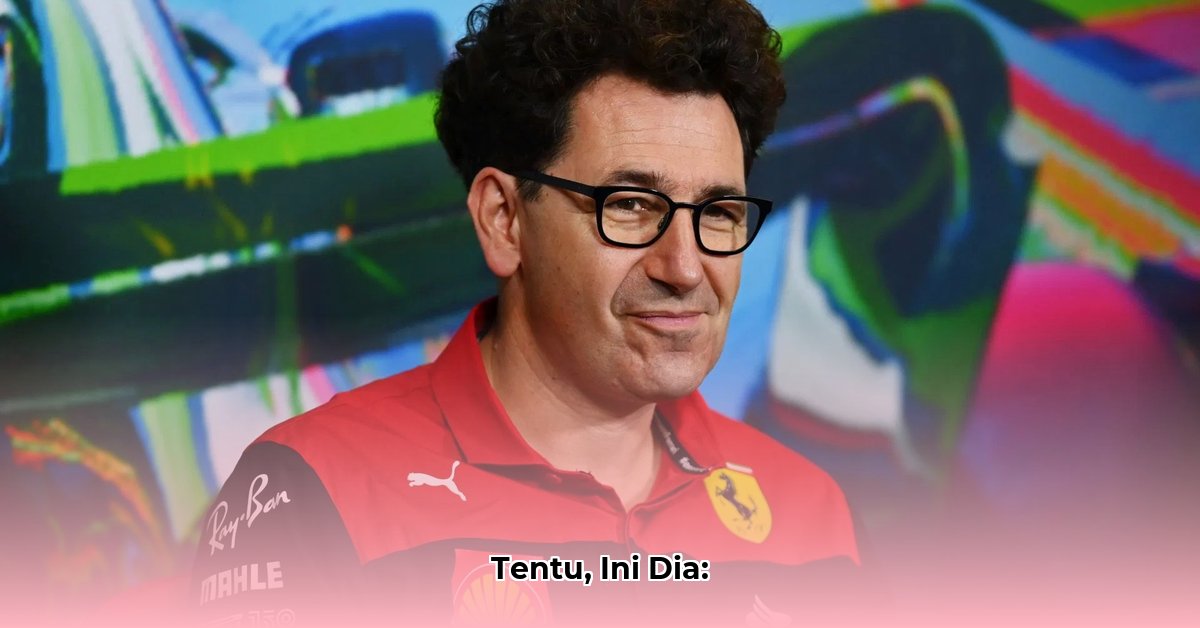
Ever wondered how the folks calling the shots in Formula 1 live? We all know the drivers make bank, but what about the team bosses? Let's take a peek into the wallet of Mattia Binotto, the former head honcho at Ferrari. We'll break down his net worth, salary, and how it all stacks up against the likes of Toto Wolff and Christian Horner. It's not just about the numbers, though. We'll also explore what drives those figures – from career moves to smart investments – and how it all affects the F1 game. Think of it as a behind-the-scenes look at the money side of the racing world.
Mattia Binotto Net Worth: Decoding F1 Financial Secrets and Investment Strategies
Mattia Binotto, a name synonymous with Formula 1 for years, especially during his time at Ferrari, raises an interesting question: just what is Mattia Binotto net worth? Getting a precise number is tricky, but available information suggests he's likely worth somewhere between $5 million and $6 million. This naturally leads to wondering how that compares to others in similar leadership positions in the fast-paced world of Formula 1. Learn about other leaders' financials here. This naturally leads to wondering how that compares to others in similar leadership positions in the fast-paced world of Formula 1.
How Binotto's Wealth Stacks Up Against the Competition
The financial playing field for F1 team bosses isn't level. Take Toto Wolff, for example. He not only leads the Mercedes-AMG Petronas F1 Team but also owns a piece of it. That, combined with his sharp business sense, puts his net worth way up there, around $580 million. Is Wolff an exception, or is it common for team principals to have such high net worth? Christian Horner, who heads up Red Bull Racing, reportedly earns the highest salary among team principals. Although we don't know the exact amount, it demonstrates that things like team success, leadership skills, and personal business ventures all play a role in a team principal's wealth.
Here's a quick look at estimated salaries and net worth for a few team principals:
| Team Principal | Estimated Salary | Estimated Net Worth |
|---|---|---|
| Christian Horner | $10-12 Million (USD) | $50 Million (USD) |
| Toto Wolff | $8 Million (USD) | $580 Million (USD) |
| Andreas Seidl | $4 Million (USD) | $10 Million (USD) |
| Mattia Binotto | $3 Million (USD) | $5-6 Million (USD) |
| Otmar Szafnauer | $1-2 Million (USD) | $5 Million (USD) |
Important Note: These figures are based on estimates that are publicly available. The actual numbers could be somewhat different. Is it possible for a team principal’s net worth to drastically change based on a team's performance, and what are the potential long-term financial implications of major regulation changes in Formula 1?
What Drives the Differences in Wealth: Exploring Endorsement Deals
So, why is there such a big difference between someone like Wolff and Binotto? Several things come into play. A team principal's salary definitely matters, but it's not the complete picture. How they invest their money, endorsement deals they might have, and, most importantly, whether they own a stake in a team can significantly boost their net worth. Wolff's ownership in Mercedes clearly puts him at the top of the list. Others, like Binotto, probably rely more on their salaries and personal investments.
Binotto's Career Path and the Money Angle: Regulation Changes
Binotto spent his entire career with Ferrari, working his way up to become the team principal. His years of experience and technical knowledge were undoubtedly valuable to the team. But did his compensation reflect that value? Maybe. However, changes in the rules of the sport and how well the team performs inevitably impact how much money the team makes. This, in turn, can affect the compensation for key people like the team principal.
When a Team Principal Leaves: The Financial Fallout and Investor Confidence
What happens to a team's finances when a key leader like the principal leaves? When someone like Binotto departs, it can create uncertainty, which could affect how well the team performs and how confident investors are. These effects will likely be short-term. Teams need a plan to keep things running smoothly and pass on important knowledge to avoid any major disruptions.
The Big Picture: Formula 1 Finances and Talent Development
Formula 1 is a very competitive sport, and there's a lot of money involved. Teams are always looking for ways to improve their performance, attract sponsors, and make more money. Team principals are key to making this happen, and their pay reflects how important they are. However, as we've seen, how much they're worth overall depends on more than just their salary. Things like planning for the future, developing new talent, and even how changes to car design rules affect the team's success on the track all play a role.
Decoding Mattia Binotto's Financial Standing in F1: More Than Just a Salary And Shrewd Investments
Key Takeaways:
- Mattia Binotto's estimated $5-6 million net worth and $3 million salary, though significant, are dwarfed by figures like Toto Wolff and Christian Horner, highlighting the financial disparities among F1 leaders.
- Varied career paths, investment choices, and ownership stakes explain these disparities, showcasing the diverse avenues for wealth accumulation in Formula 1.
- A Team Principal's role blends technical skill with financial strategy, impacting team success and personal earnings, emphasizing the multifaceted nature of the position.
- Ferrari's unique position may influence its principal's compensation package differently, reflecting the brand's specific priorities and values.
Binotto's Financial Position Compared to Other F1 Leaders and Compensation Structure
Let's talk money. Mattia Binotto, the former Ferrari team principal, made a good living. Reports suggest a net worth of around $5-6 million and an annual salary near $3 million. Not bad, right? But how does that stack up against the titans of the pit lane?
Consider Toto Wolff, the head honcho at Mercedes. His estimated net worth soars around $580 million! Then there's Christian Horner of Red Bull, sitting pretty with approximately $50 million. Why such a huge difference? It boils down to more than just salary. How is the compensation structured for team principals in Formula 1, and what are the common performance-based incentives that can significantly impact their earnings?
Factors Influencing an F1 Principal's Net Worth and Strategic Investment
What exactly contributes to these differing levels of wealth?
- Salary History: Obviously, longer tenures and higher-paying positions lead to greater accumulated wealth.
- Investment Savvy: Smart investments outside of F1 can significantly boost one's net worth.
- Ownership Stakes: This is a big one. Toto Wolff, for example, owns a significant portion of the Mercedes team, directly tying his wealth to the team's performance and overall value.
- Endorsement Deals: While less common for team principals than drivers, endorsements can still add to the coffers.
- Success on the Track: Winning championships can indirectly increase a principal's value and earning potential.
Think of it like this: salary is the steady drip, while investments and ownership are the potential downpour. Binotto's career at Ferrari was undoubtedly lucrative, but he lacked the ownership stake that propelled Wolff to the financial stratosphere. Does strategic investment outside of Formula 1 play a more significant role in accumulating wealth for team principals than their base salaries?
The Impact of Career Trajectory and Team Dynamics on Decision-Making
Binotto spent a long time at Ferrari, climbing the ranks. His roles and responsibilities undoubtedly shaped his financial picture. But Ferrari's specific brand value and historical significance also play a role. Are they more inclined to pay for technical expertise versus an ownership minded individual? These are things to consider.
The Multifaceted Role of an F1 Principal and Long-Term Goals
What exactly are formula 1 principal responsibilities? More than just yelling into a headset during a race! It's a blend of technical genius, strategic thinking, and financial acumen. [Formula 1 principal responsibilities] encompass:
- Team Management: Overseeing all aspects of the team, from engineering to logistics.
- Strategic Direction: Setting the team's long-term goals and objectives.
- Financial Oversight: Managing the team's budget and ensuring financial stability.
- Performance Analysis: Evaluating the team's performance and identifying areas for improvement.
- Stakeholder Engagement: Working with sponsors, the media, and other key stakeholders.
Stakeholder Opportunities and Financial Interests
| Stakeholders | Short-Term (0-1Y) | Long-Term (3-5Y) |
|---|---|---|
| Prospective Team Principals | Focus on developing not just technical and leadership skills, but also financial literacy and networking abilities. |